
Description
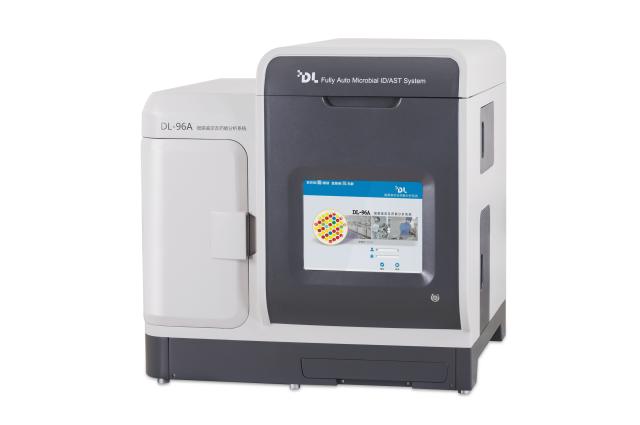
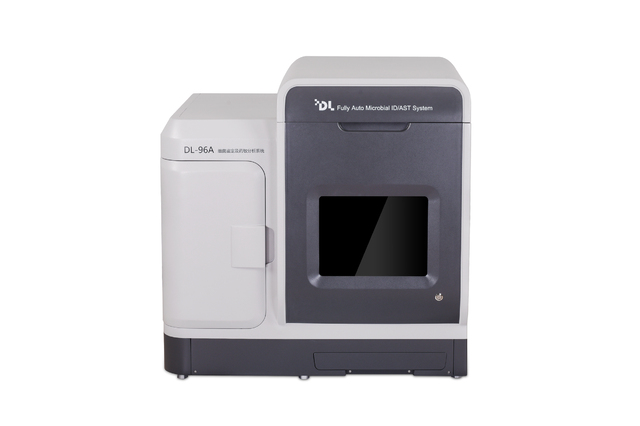
Fully automated closed system (sample insertion, incubation, reading of results, interpretation of results);_x000D_
_x000D_
Simultaneous identification of a microorganism and determination of its sensitivity to antibiotics in one panel;_x000D_
_x000D_
The identification of microorganisms is carried out by two methods: colorimetry and turbidimity;_x000D_
_x000D_
Registration of the growth of microorganisms is carried out by the device according to two parameters: Cell replication score and assessment of the metabolic activity of the cell._x000D_
_x000D_
The determination of sensitivity to antibiotics should is carried out by the degree of turbidity and by changing the redox potential._x000D_
_x000D_
Determination of sensitivity to antibiotics by serial microdilution method to detect the minimum inhibitory concentration of antibiotic: Definition of “delayed resistance” with prediction of the development of stability, and the results of the identification of microorganisms could be nearly 5 hours, antibiotic Sensitivity Results could be nearly 8 hours._x000D_
_x000D_
Sound and visual notification of the presence of a positive sample with an indication on the display of the location of the positive sample._x000D_
_x000D_
For number of identified microorganisms, there are not less than 140 Gram-positive aerobic and facultative anaerobic bacteria, and not less than 160 Gram-negative aerobic and facultative anaerobic bacteria;_x000D_
_x000D_
The sensitivity of microorganisms is determined by at least 25 antibacterial drugs;_x000D_
_x000D_
Special tests inluding extended Spectrum Beta-Lactamase (ESBL) and methicillin-resistant staphylococci (MRS)._x000D_
_x000D_
Saving the results of the analysis in the memory of the device for not less than 30 days._x000D_
_x000D_
A nephelometer for measuring the turbidity of suspensions of microorganisms in the range of at least 0- 6.0 according to the McFarland standard with a calibration kit: at least 1 set.


Reviews
There are no reviews yet.